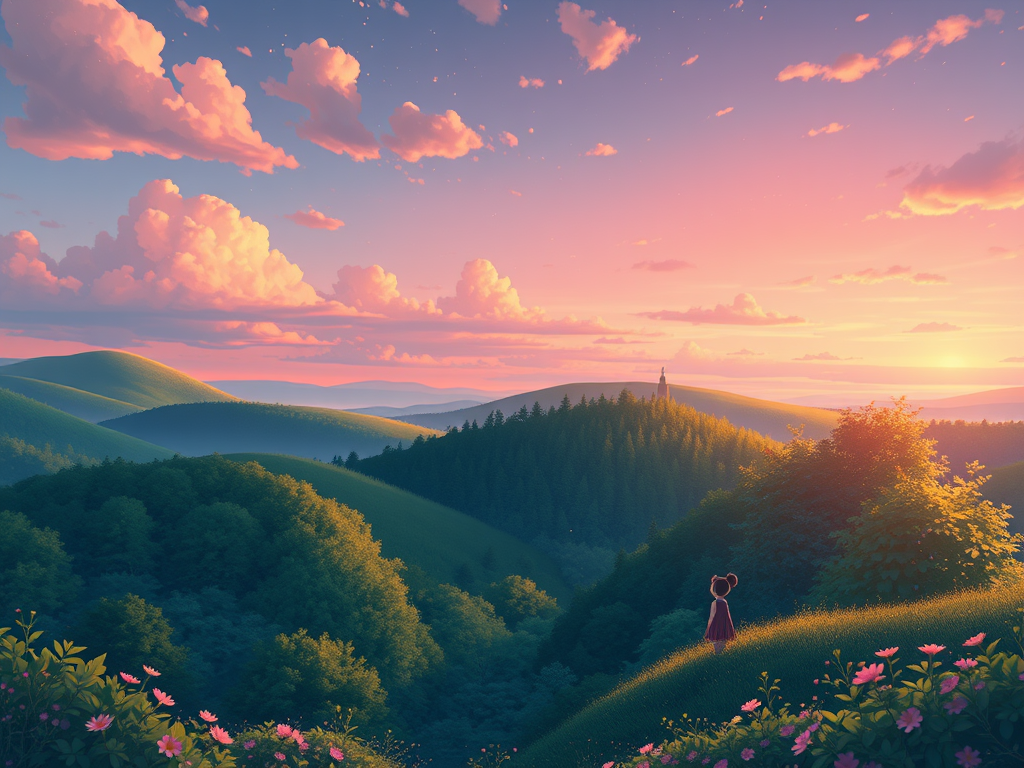
Studio Ghibli’s enchanting art style recently took over the internet thanks to GPT-4o’s new image-generation powers. From wedding portraits to JFK memes, users were going wild transforming their photos into Ghibli-style creations. But the fun didn’t last. ChatGPT has now started refusing prompts to generate images in the iconic animation style—and people are confused.
What Triggered the Ghibli AI Art Ban?
After the GPT-4o image model dropped, a viral trend exploded—turning everything from baby pictures to political scenes into soft, expressive Ghibli-style illustrations. Even OpenAI CEO Sam Altman joined in, changing his profile picture to a dreamy Ghibli version of himself.
But soon after, users noticed a shift. ChatGPT began rejecting prompts that referenced Studio Ghibli’s style. Confusion set in.
Was this an official block? Or just an AI hiccup?
OpenAI didn’t confirm much. A company spokesperson stated they prevent generations in the style of “living individual artists” but allow broader studio aesthetics. Ghibli, however, blurs that line.
Miyazaki’s Legacy Meets Modern AI Ethics
Hayao Miyazaki’s views on AI are well-documented—and deeply critical. In a 2016 interview, he famously called AI-generated art “an insult to life itself.” His animation, rooted in emotion, empathy, and hand-drawn magic, stands in stark contrast to algorithmic generation.
Studio Ghibli isn’t just a style—it’s a philosophy. One that values craftsmanship, peace, and nature. Which is why many found the AI imitation trend disrespectful, even if technically impressive.
To make things more complicated, Miyazaki is still very much alive. So, under OpenAI’s policy, mimicking his unique visual language may be off-limits—even if users see it as harmless fan art.
Is This a Temporary Glitch—or a Policy Shift?
Altman himself hinted on X (formerly Twitter) that some restrictions were errors. He said, “We are refusing some generations that should be allowed. We’re fixing these as fast as we can.” But there’s been no direct reference to Ghibli in these statements.
So, are Ghibli prompts gone for good? Or just caught in the algorithmic crossfire?
Until OpenAI clarifies further, users are left guessing. One thing is clear, though: the rise and fall of Ghibli-style AI art says as much about tech culture as it does about copyright law.
Whether you’re an AI enthusiast or a lifelong Ghibli fan, this saga touches on big questions about creativity, ownership, and respect. As AI tools evolve, we’ll likely see more of these artistic flashpoints. Curious where the line between inspiration and imitation lies? Follow our updates on AI culture and art trends.