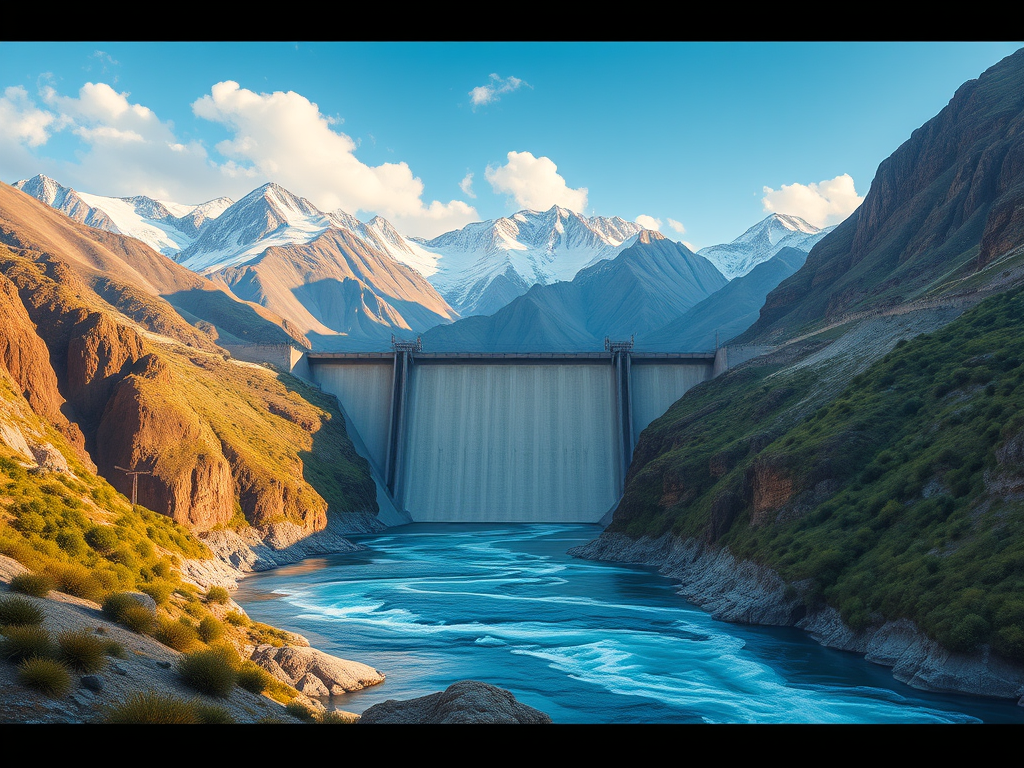
China is poised to embark on a monumental engineering feat. This involves the construction of China’s Medog Hydropower Station on the Yarlung Tsangpo River in Tibet. This project is projected to be the world’s largest hydropower dam. It is set to generate a staggering 300 terawatt-hours (TWh) of electricity annually. This output dwarfs the production of the current record-holder. The Three Gorges Dam produces between 95 and 112 TWh per year. This ambitious undertaking signifies a significant step in China’s transition towards a more sustainable energy future. However, it also presents a complex array of environmental, social, and geopolitical challenges.
A Monumental Engineering Feat in Sustainable Tech:
The Medog Dam will be an engineering marvel. It will harness the immense power of the Yarlung Tsangpo. This river is renowned for its dramatic drop in elevation, particularly within the Grand Canyon. The project will involve constructing a series of massive tunnels, each over 12 miles long, to divert the river’s flow. This diverted water will then power turbines, generating electricity before rejoining the river. Construction is slated to commence in 2029. It is expected to take approximately four years to complete. Commercial operation is anticipated to begin in 2033.
Expanding Renewable Energy Capacity: A Key Pillar of Sustainable Tech
China’s burgeoning energy demands, fueled by rapid industrialization and urbanization, necessitate a significant shift towards renewable energy sources. In 2023, coal still dominated China’s energy mix, supplying 61% of the country’s electricity. However, China aims to significantly increase its reliance on renewable energy sources. Hydropower currently accounts for 13% of China’s electricity generation. The Medog Dam will significantly boost this share upon completion. It will aid the country’s ambitious goal of achieving carbon neutrality by 2060.
Environmental and Geopolitical Concerns: Navigating the Challenges
The Medog Dam project presents a complex set of environmental and geopolitical challenges:
Environmental Impact:
- The Yarlung Tsangpo region is home to unique and fragile ecosystems, including diverse flora and fauna. The dam’s construction could significantly affect these ecosystems. It might cause habitat fragmentation. It could disrupt migratory patterns. It may also potentially impact endangered species.
- The region is also seismically active. The project could potentially increase the risk of landslides and other geological hazards, potentially impacting local communities and downstream areas.
Social Displacement:
The project will inevitably lead to the displacement of local Tibetan communities. The scale of displacement may not be as extensive as the Three Gorges Dam. However, it is estimated that thousands of people could be affected. This displacement could have significant social and cultural impacts on these communities. It may cause disruption of traditional livelihoods. There could be a loss of cultural heritage and potential social unrest.
Geopolitical Tensions:
The Yarlung Tsangpo River flows through Tibet, India, and Bangladesh. India and Bangladesh have expressed concerns about the potential impacts of the dam on water flow. They worry about river ecosystems. There are also worries about their own water security. Changes in river flow could affect agriculture, fisheries, and overall water availability in these downstream countries.
Balancing Sustainable Tech with Environmental and Social Responsibility

Moving forward, it is crucial to prioritize environmental safeguards and social responsibility. This includes:
Promoting transparent and inclusive dialogue: Engaging openly and constructively with downstream countries is essential. This approach addresses their concerns. It also explores potential mechanisms for cooperation and information sharing.
Conducting thorough and independent environmental impact assessments: These assessments should evaluate the potential impacts on biodiversity. They should also assess water quality. Furthermore, they need to consider seismic activity.
Implementing robust mitigation measures: This could include measures to minimize habitat disruption. Actions to protect endangered species are also essential. Additionally, it is important to mitigate the risk of landslides.
Ensuring fair compensation and resettlement for displaced communities: This involves providing adequate housing. It also requires access to essential services. Support for maintaining cultural traditions is necessary as well.
As China moves forward with this ambitious project, it is crucial to prioritize environmental safeguards. China must minimize social disruption and engage in open dialogue with downstream countries. This engagement will address their concerns. A comprehensive environmental impact assessment is essential. Robust mitigation measures are also necessary. These steps ensure the long-term sustainability of China’s Medog Hydropower Station. They contribute to a truly sustainable future.
Leave a Reply