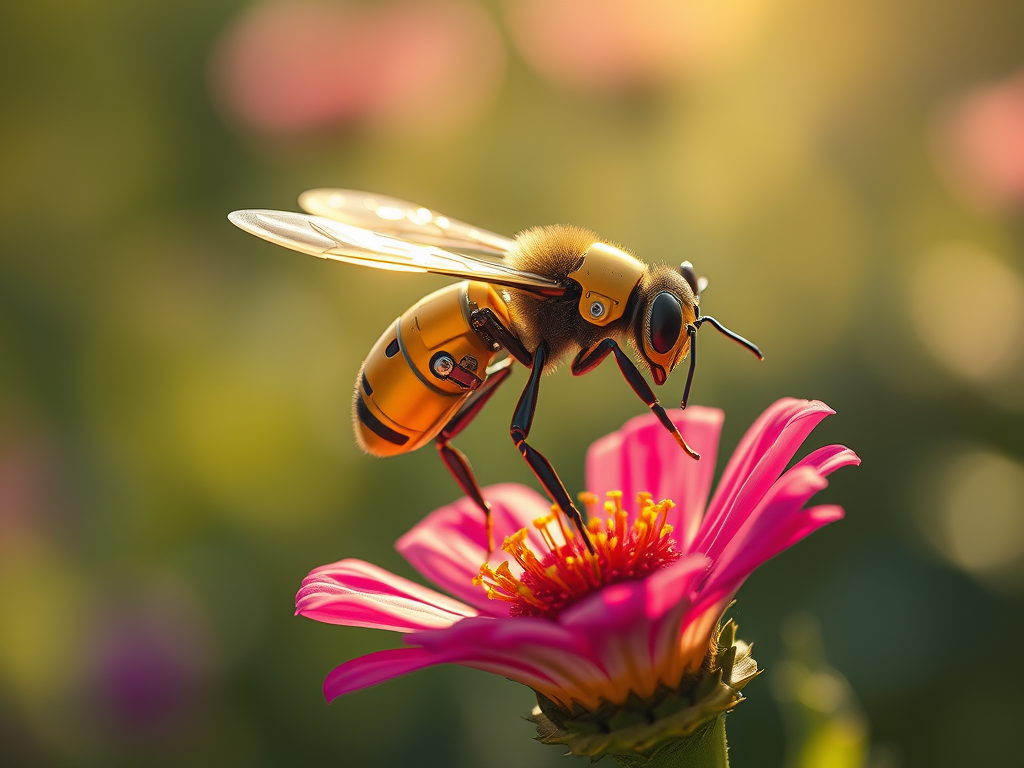
The decline of bee populations poses a significant threat to global food security. As these vital pollinators face increasing challenges, scientists are exploring innovative solutions, including the development of robot bees. Researchers at MIT have recently unveiled a groundbreaking advance in this field. They have created a bug-sized robot capable of unprecedented flight duration. The robot also exhibits incredible agility. This tiny marvel might one day help with pollination efforts. It could ensure the future of our food supply.
The Challenge of Pollinator Decline
The alarming decline of bees and other pollinators is due to factors like climate change, habitat loss, and pesticide use. This decline has raised concerns about the future of food production. A significant portion of our food relies on pollination. Losing these vital insects could have devastating consequences for global agriculture.
A Technological Solution: Robotic Pollinators
In response to this crisis, scientists are turning to technology. Insect-scale robots capable of pollinating crops are being developed. They offer a potential solution to the challenges posed by declining bee populations. These miniature robots, inspired by the intricate flight mechanisms of insects, aim to mimic their natural pollinating behaviors.
MIT’s Breakthrough: A More Agile and Durable Robot

MIT researchers have made a significant leap forward in this field with their latest creation. This new robot, weighing less than a paperclip, boasts remarkable improvements in flight duration, speed, and maneuverability.
- Extended Flight Time: The robot can now hover for an astonishing 17 minutes, a significant increase compared to previous versions. This extended flight time is crucial for practical applications like pollination, which requires sustained flight to cover large areas.
- Enhanced Agility: The robot demonstrates impressive agility, performing complex maneuvers such as double flips and tracing letters in the air. This level of precision is essential for navigating the intricate environment of a flower and effectively transferring pollen.
- Increased Durability: The researchers have addressed the challenge of mechanical stress, a major limitation of previous designs. By incorporating a more robust transmission and improved wing hinges, they have significantly increased the robot’s lifespan and overall durability.
The Future of Robotic Pollination
While still under development, this groundbreaking technology holds immense promise. Future iterations of the robot will likely include:
- Onboard Power: Integrating batteries and power sources will enable the robot to operate independently, freeing it from tethered constraints.
- Advanced Sensors: The incorporation of sensors will allow the robot to navigate its environment autonomously. It will identify flowers. The robot will perform precise pollination tasks.
- Swarm Intelligence: The development of swarms of these robots could significantly enhance pollination efficiency. They mimic the coordinated behavior of natural bee colonies.
Conclusion
MIT’s latest advance in robotic revolution represents a significant step towards addressing the challenges of pollinator decline. Further research and development are necessary. However, these tiny robots offer a glimmer of hope for the future of food production. By using technology, we can decrease the impact of declining bee populations. This approach of robot bees can ensure a sustainable food supply for future generations.
Leave a Reply